
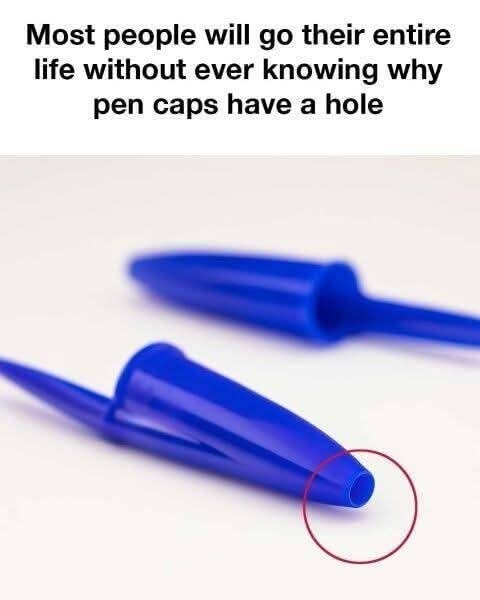
Why Do Pen Caps Have a Hole? Discover the Smart Design Behind It
When you pick up a ballpoint pen, you might barely notice the tiny hole at the top of its cap.
It looks like a simple design detail, almost insignificant. However, this small feature is actually
a brilliant example of thoughtful engineering that combines safety, comfort, and functionality.
From protecting children to improving writing performance, the hole in a pen cap plays a much bigger
role than most people realize. Let’s explore why this clever design exists and how it benefits everyday users.
Key Features of the Pen Cap Hole
-
Safety First: One of the most important reasons for the hole is safety.
If a child accidentally swallows a pen cap, the hole allows air to pass through, reducing the risk
of choking and potentially saving lives. -
Pressure Balance: The hole helps prevent the formation of a vacuum inside the cap.
This makes it easier to remove the cap without struggling or pulling too hard. -
Ink Flow Stability: In certain pen designs, proper air pressure helps maintain
consistent ink flow. The hole can support smoother writing by preventing irregular pressure changes.
How the Hole Works
Safety in Action
If a pen cap is accidentally swallowed, the airway could become blocked. The hole allows air to continue
passing through, which can significantly reduce the danger while emergency help is sought.
Easy Cap Removal
Without a hole, removing the cap could create suction, making the cap feel stuck. The tiny opening
equalizes pressure, making everyday use smoother and more comfortable.
Ink Flow Maintenance
Some pen systems rely on balanced internal air pressure to regulate ink movement. A small hole
can contribute to preventing ink from drying too quickly or leaking unexpectedly.
Pro Tips for Optimal Use
- Choose pens with ventilated caps, especially for children.
- Check the hole occasionally to ensure it isn’t blocked by dust or dried ink.
- Teach children never to put pen caps in their mouths, even if they have safety holes.
Serving Suggestions for Educational Content
If you’re using this topic in a blog, classroom, or presentation, consider adding:
- Close-up images of pen caps showing the hole clearly.
- Simple diagrams explaining airflow.
- Comparisons between caps with and without safety holes.
These visual elements make the explanation more engaging and help readers better understand
the practical value of this small but powerful design feature.
Conclusion
The tiny hole in a pen cap is far more than a design quirk. It is a carefully considered
safety feature that protects users, improves usability, and supports smoother writing.
This simple innovation demonstrates how thoughtful design can quietly improve everyday objects.
The next time you use a pen, take a moment to appreciate that even the smallest details
can have an important purpose.